The Solopreneur Revolution: Small Team, Wider Reach
AI can help one-person businesses coordinate more work, but tools are not a strategy. Discover a practical approach to capacity, customer experience, automation and the judgement worth keeping human.
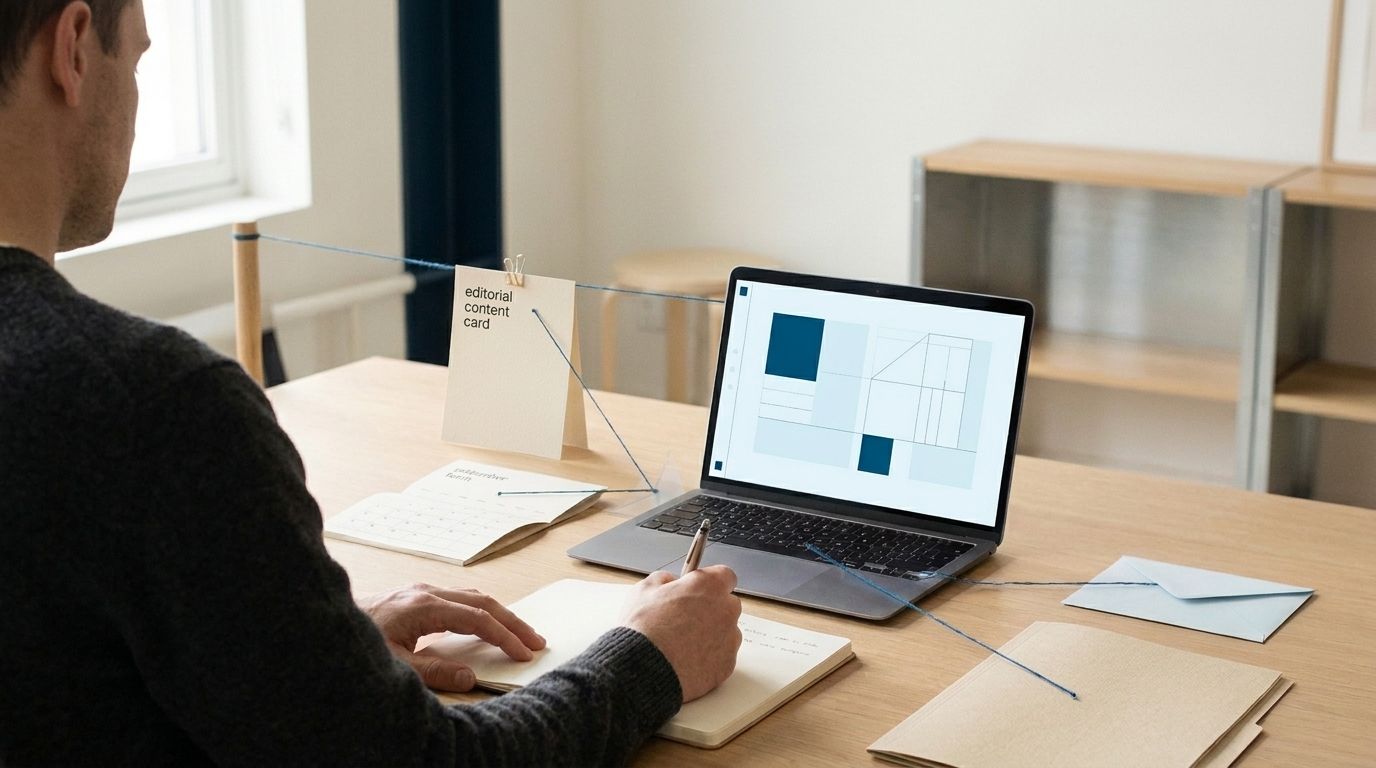
For a long time, building a business alone meant accepting a difficult trade-off: independence on one side, capacity on the other. You could make the decisions, but you also had to handle the marketing, administration, research, delivery and follow-up.
AI is beginning to change what one person can coordinate. It does not remove the work of building a business, and it certainly does not guarantee scale. What it can do is make some specialist and repetitive tasks easier to prepare, organise and supervise.
That is the practical opportunity behind the solopreneur revolution: not one person pretending to be a large organisation, but one person designing a more capable small one.
The real constraint is usually coordination
A solopreneur might know their craft exceptionally well and still lose valuable time moving information from one tool to another. A customer enquiry becomes an email, then a calendar entry, then a proposal, then a reminder, then an invoice. None of these steps necessarily creates value on its own, yet a missed hand-off can damage the experience.
The promise of AI is most credible when it reduces this friction. An assistant can prepare a first-draft proposal from an approved template, organise research notes, suggest follow-up wording or turn a long explanation into several content formats. The owner checks, edits and decides.
This is not the same as handing over accountability. The person running the business still owns the promise made to the customer.
Small businesses are experimenting, but adoption is not a strategy
The OECD's 2026 survey of more than 2,000 SMEs across 12 countries describes wider use of readily available AI tools, alongside uneven strategic integration and persistent constraints involving time, skills, maintenance and security. The sample is not a measure of all solopreneurs, but it illustrates an important distinction: access to tools is easier than making them work reliably together.
Microsoft's 2025 Work Trend Index also discusses human–agent teams as an emerging operating model. That is a useful signal about work design, not proof that a one-person business can safely automate every role.
For an independent professional, the useful question is smaller: which repeatable task would free the most attention for work only you can do?
Build a system before collecting subscriptions
Start with the customer journey, not a shopping list of software. Map what happens from discovery through delivery and follow-up, then decide where a tool could make a meaningful difference.
- Visibility: maintain a clear website, publish useful answers and repurpose one strong idea into a small number of channels.
- Enquiries: capture essential context and ensure every request has a response owner and a timely acknowledgement.
- Delivery: use templates for repeatable steps, with checklists for quality and clear boundaries around what is bespoke.
- Knowledge: keep approved methods, examples and policies organised so you can retrieve them without rebuilding the same thinking.
- Administration: automate low-risk reminders, preparation and status updates before considering more consequential decisions.
A practical system might use very few applications. The point is not software abundance. It is fewer dropped details, clearer decisions and more reliable customer experiences.
What should stay human?
Your judgement about whom to work with, what you can credibly deliver, how to price a complex engagement and when a customer needs a real conversation. These decisions depend on context and accountability.
Client confidentiality also sets a boundary. The Office of the Australian Information Commissioner advises organisations to consider privacy and security risks when using commercial AI tools, including the handling of personal information. An inexpensive automation is not a bargain if it exposes information the client expected you to protect.
Be equally cautious about AI-produced case studies and testimonials. A plausible result is not an actual result, and a polished claim is not evidence.
Try a two-week operating experiment
- Choose one bottleneck. Identify a repeated task you encounter at least weekly, such as preparing discovery summaries or organising content drafts.
- Record a baseline. Measure how much time it currently takes and where mistakes or delays arise.
- Introduce one bounded tool. Give it clear instructions, approved materials and a specific output format. Keep final review with a person.
- Review the outcome. Did it save useful time after corrections? Was quality stable? Were any privacy or customer-experience issues introduced?
If the experiment fails, you have learned something inexpensive. If it succeeds, document the process before adding a second automation.
Independence is a design decision
The strongest one-person businesses may not be those that imitate big agencies. They may be the ones that understand their limits, specialise clearly, build dependable systems and protect the direct relationships that make their work valuable.
AI can widen what an individual can attempt. Brand clarity, service quality and thoughtful operating choices determine whether that wider reach is worth having.
Before adding another AI subscription, write down the one customer experience you want to improve this month. Then choose the smallest system that helps you deliver it.
Further reading
OECD (2026) — Empowering SMEs in the age of AI
Microsoft (2025) — The Frontier Firm is born
OAIC — Guidance on privacy and commercially available AI products