Branding with AI: Keep the Thinking Human
AI can create visual identities at speed, but distinctive brands are built through deliberate choices. Explore where AI supports brand development, where human judgement matters and how to keep the results recognisably yours.
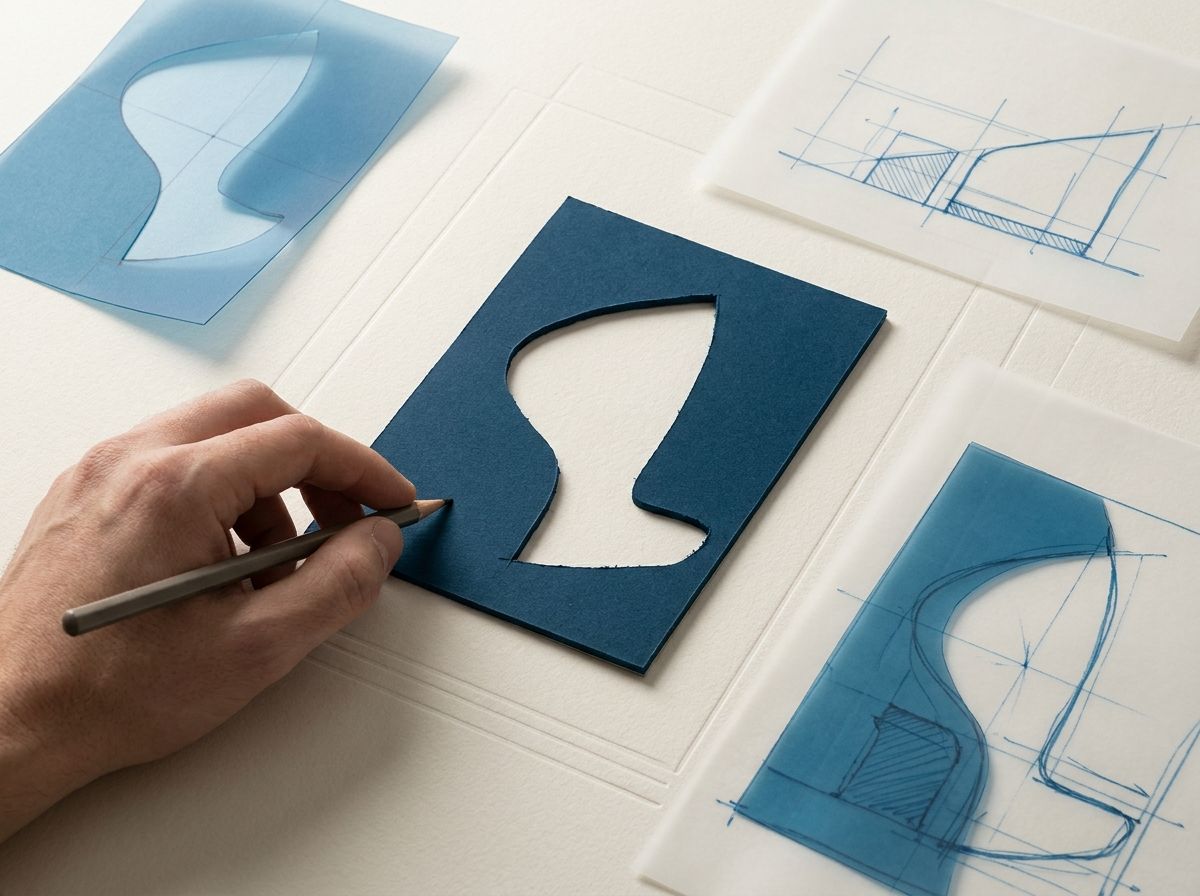
AI can produce a logo concept in seconds. It can suggest a palette, write a tagline and create an entire set of social graphics before a business has agreed on what makes it different. The speed is impressive. The question is whether the result means anything.
Branding with AI is not simply a faster way to make brand assets. Used well, it is a way to explore possibilities, challenge assumptions and translate a considered strategy into consistent communication. Used carelessly, it is a very efficient way to look like everyone else.
A brand is a decision, not a collection of assets
A visual identity is how a brand appears. Its voice is how it communicates. Its positioning is the reason a particular customer should choose it over an alternative. Those parts need to reinforce one another, but they are not interchangeable.
Imagine two independent consultancies using the same AI design tool. Both request a sophisticated logo, a modern palette and confident website copy. The tool might produce attractive results for both. But without a clear understanding of their clients, expertise and commercial priorities, neither result tells us what makes the consultancy worth choosing.
The distinctive work happens earlier: deciding what the organisation believes, which problem it solves especially well, what it will not promise and how it wants people to feel after an interaction. These are strategic choices, not image-generation settings.
Where AI genuinely earns its place
AI can be particularly useful when it supports the messy middle of brand development: the exploration between an initial hypothesis and a decision the business can defend.
- Research organisation. Summarise interview notes, recurring customer questions and competitor messaging, provided the material can be used securely and the summaries are checked against their sources.
- Concept exploration. Generate several directions for a visual or verbal idea, then compare them against an established brief instead of choosing the most fashionable output.
- Voice testing. Rewrite the same practical message for a website, proposal and LinkedIn post to check whether the personality remains recognisable across contexts.
- Production consistency. Use approved examples and style rules to prepare routine variations, with a human editor retaining final responsibility.
The advantage is not unlimited generation. It is faster comparison and a more deliberate selection process.
Where human judgement cannot be outsourced
An AI tool may produce polished language without knowing whether a claim is accurate, whether a design closely resembles an existing identity or whether an output matches a client's actual experience. A confident draft is still only a draft.
There is also a practical privacy consideration. Australia's Office of the Australian Information Commissioner advises organisations to assess the risks of commercial AI tools and, as a best practice, avoid placing personal information into publicly available generative AI tools. Client research, interview transcripts and customer records deserve particular care.
The same caution applies to apparently effortless brand storytelling. Do not invent testimonials, customer results, a founder's history or a business capability because the wording sounds persuasive. A credible brand must be able to substantiate what it says.
A practical human-first AI branding process
- Write the positioning before the prompt. Define your audience, their decision, your most credible difference, the tone you want to earn and the claims you can support.
- Create a small reference set. Supply approved copy, your existing design system, good and bad examples, and any practical constraints. Remove confidential or personal information unless its use is appropriate and authorised.
- Ask for alternatives with reasons. Explore two or three directions and require an explanation of how each serves the brief. More outputs do not automatically mean better options.
- Pressure-test the options. Check clarity, accessibility, resemblance to competitors, cultural context, usability and consistency across channels.
- Choose, document and govern. Record the final voice principles, typography, colour choices, visual treatment and examples. Use that system to review subsequent AI-assisted work.
The useful test is recognition
If your logo disappeared from a post, would a customer still recognise how your organisation thinks and speaks? If your designer changed or your preferred AI platform disappeared, could someone reproduce the same brand character from a clear set of principles? Those are stronger tests than whether a single cover image looks impressive.
Google's guidance for content creators also emphasises originality, usefulness and accuracy over mass-producing material for search engines. For brands, that is a helpful editorial discipline: the tool may assist with execution, but the distinctive point of view has to come from somewhere real.
Start with one sentence that says what your business stands for and one customer decision you want to make easier. Build the AI workflow around those answers, not the other way around.
At The 1906 Agency, we believe good brand architecture begins with independent thinking and becomes valuable when the visuals, language and business intent work together.
Further reading
OAIC — Guidance on privacy and commercially available AI products
Google Search Central — Creating helpful, reliable, people-first content